World Book
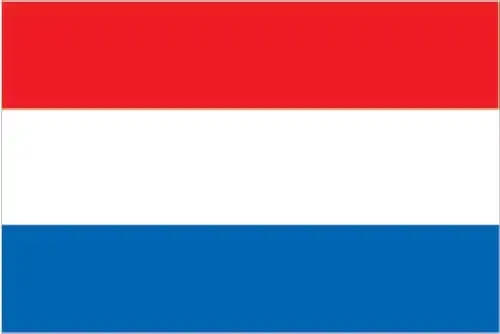
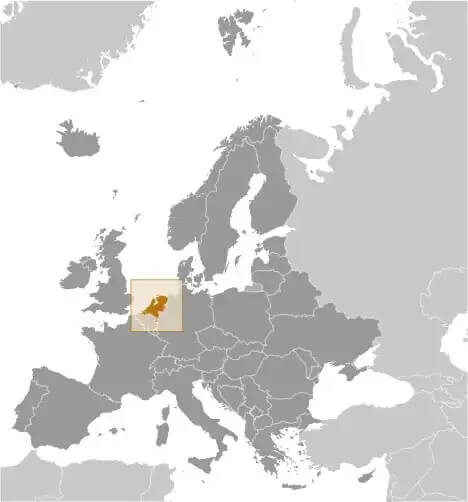
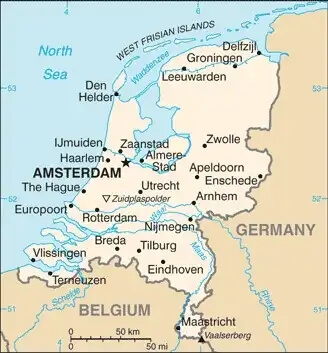
Netherlands
World Book Index
83

With a score of 83, the country is ranked 6th out of 158 countries in the World Book ranking. (more information)
Introduction
The Netherlands, known for its rich maritime history and cultural heritage, emerged as a formidable power during the 17th century, often referred to as the Dutch Golden Age. This period marked the nation's rise as a leading seafaring and commercial hub, establishing a vast network of colonies and trade routes that spanned the globe. Following a tumultuous period of French occupation, the Netherlands regained its sovereignty in 1813, only to face further challenges with the secession of Belgium in 1830. Today, the Netherlands stands as a beacon of progressive values, renowned for its commitment to democracy, human rights, and environmental sustainability, making it a significant player on the European and global stage.
Neighboring countries
Belgium - Germany
Geography
Area
Total: 41,543 sq km
Land: 33,893 sq km
Water: 7,650 sq km
The Netherlands is characterized by its unique geographical features, including a significant portion of its land lying below sea level. This low-lying terrain has necessitated an extensive system of dikes and canals, showcasing the Dutch ingenuity in water management. The climate is temperate and marine, resulting in cool summers and mild winters, which contribute to the lush landscapes and fertile agricultural land. The country is endowed with natural resources such as natural gas, petroleum, peat, limestone, salt, sand and gravel, and arable land, which play a crucial role in its economy and environmental management.
People and Society
Population
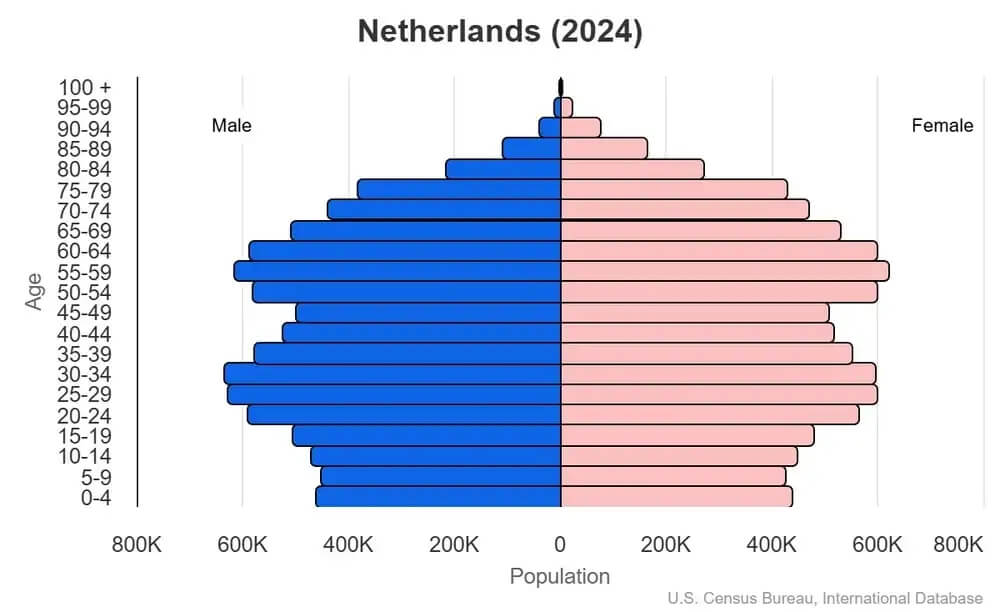
Total: 17,772,378 (2024 estimated)
The demographic landscape of the Netherlands is diverse, with the population comprising various ethnic groups. The Dutch make up 75.4% of the population, while other ethnicities, including EU nationals, Turkish, Moroccan, Surinamese, and Indonesian communities, contribute to the multicultural fabric of society. The official language is Dutch, with Frisian recognized in the Fryslan province, reflecting the country's regional diversity. In terms of religious affiliation, the Netherlands is notable for its secularism, with 54.1% of the population identifying as having no religion, alongside significant Roman Catholic and Protestant communities. The population growth rate stands at 0.39% (2024 estimated), indicating a stable demographic trend amidst ongoing social changes and integration efforts.
Government
Government type
Parliamentary constitutional monarchy; part of the Kingdom of the Netherlands
Capital
Name: Amsterdam
The Netherlands operates under a parliamentary constitutional monarchy, where the monarch serves as the ceremonial head of state while the Prime Minister leads the government. The current chief of state is King WILLEM-ALEXANDER, who has been in power since 30 April 2013. The political landscape is characterized by a multi-party system, promoting a diverse range of political opinions and policies. The capital city, Amsterdam, is not only the political center but also a cultural and economic hub. The diplomatic representation in the United States is led by Ambassador Birgitta TAZELAAR, who has held the position since 15 September 2023, reflecting the Netherlands' commitment to maintaining strong international relations.
Economy
Economic overview
The Netherlands boasts a high-income economy, recognized as a core member of the European Union and the eurozone. Its economic structure is heavily reliant on robust services, logistics, and technology sectors, making it one of the most trade-oriented nations globally. The economy faces heightened risks from global tensions, yet it has shown resilience with declining inflation, aided by easing energy prices and wage growth. While deficits and public debt are rising, they remain manageable, and the country enjoys strong ratings for innovation, competitiveness, and business climate.
Real GDP (purchasing power parity)
$1.276 trillion (2024 estimated)
$1.263 trillion (2023 estimated)
$1.263 trillion (2022 estimated)
Real GDP per capita
$70,900 (2024 estimated)
$70,700 (2023 estimated)
$71,300 (2022 estimated)
Exports
$1.032 trillion (2024 estimated)
$1.022 trillion (2023 estimated)
$1.007 trillion (2022 estimated)
Exports - partners
Germany 16%, Belgium 15%, France 11%, Italy 6%, USA 6% (2023)
Exports - commodities
Refined petroleum, vaccines, machinery, crude petroleum, broadcasting equipment (2023)
Imports
$884.154 billion (2024 estimated)
$893.132 billion (2023 estimated)
$915.294 billion (2022 estimated)
Imports - partners
Germany 16%, Belgium 10%, China 10%, USA 10%, UK 5% (2023)
Imports - commodities
Crude petroleum, refined petroleum, broadcasting equipment, cars, natural gas (2023)
Human Development Index
The country's Human Development Index (HDI) is 0.955, ranking it 8th out of 193 countries tested. (more information)
World Happiness Report
The World Happiness Report ranked the country 9th out of 158 countries tested with a score of 7.122. (more information)