World Book
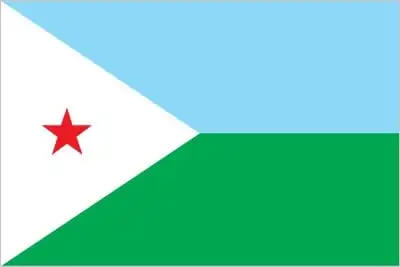
Djibouti
Introduction
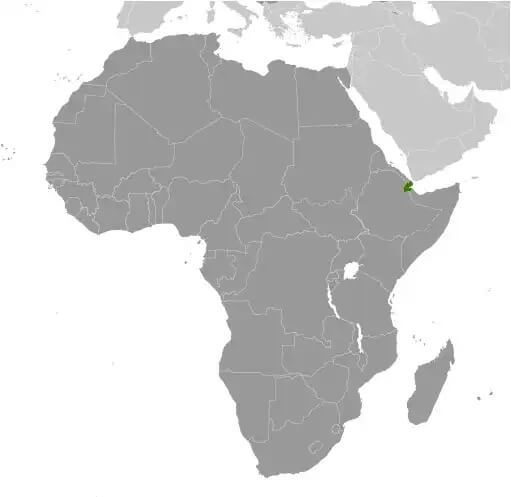
Djibouti, a small yet strategically significant nation located at the crossroads of the Red Sea and the Gulf of Aden, gained independence from France in 1977. This young republic has developed strong ties with its former colonial power, France, which continues to maintain a military presence in the country. Djibouti's geopolitical importance is further underscored by the presence of military bases from the United States, Japan, Italy, Germany, Spain, and China, making it a focal point for international military and trade activities in the region.
Neighboring countries
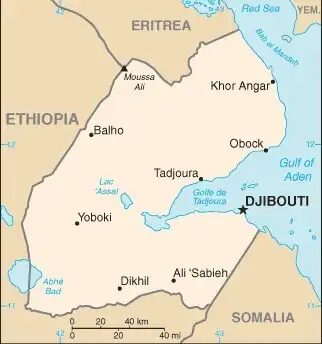
Eritrea - Ethiopia - Somalia
Geography
Area
Total: 23,200 sq km
Land: 23,180 sq km
Water: 20 sq km
Djibouti is characterized by its arid and desert-like climate, which is classified as torrid and dry. The country's geography is marked by a combination of coastal plains and rugged highlands, providing a unique landscape that influences its climate and natural resources. The potential for geothermal power, alongside deposits of gold, clay, granite, limestone, marble, salt, diatomite, gypsum, pumice, and petroleum, highlights the country's untapped natural wealth, which could play a significant role in its economic development.
People and Society
Population
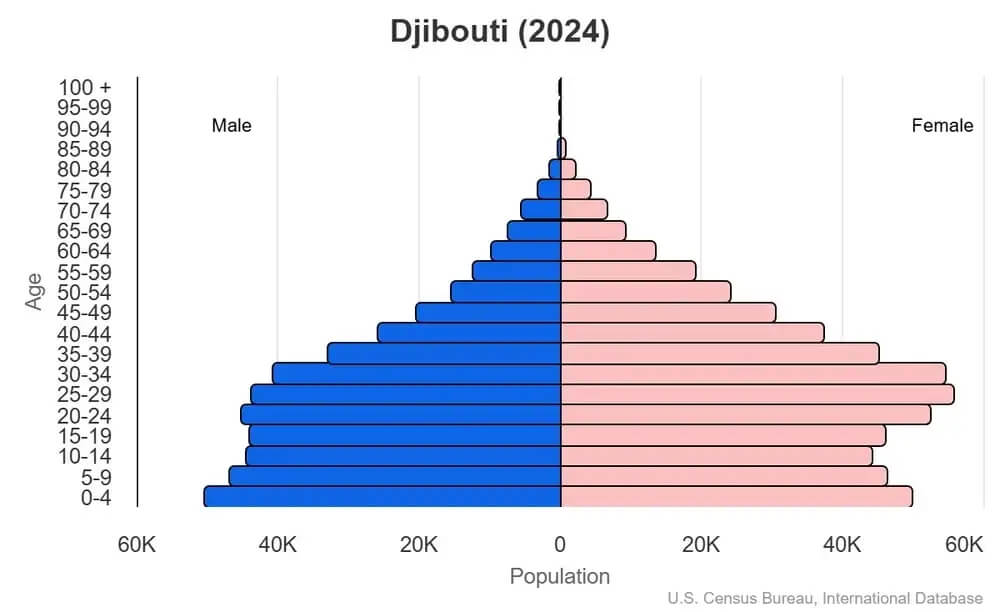
Total: 994,974 (2024 estimated)
Djibouti's demographic composition is predominantly Somali (60%) and Afar (35%), with a small percentage (5%) of other ethnic groups, including Yemeni Arabs, French, Ethiopians, and Italians. The official languages are French and Arabic, reflecting the country's colonial history and its ties to the Arab world. Somali and Afar are also widely spoken, showcasing the rich cultural tapestry of the nation. The overwhelming majority of the population (94%) practices Sunni Islam, which plays a central role in the social and cultural life of Djibouti. The population growth rate stands at 1.89% (2024 estimated), indicating a youthful and growing demographic that presents both opportunities and challenges for the nation.
Government
Government type
Presidential republic
Capital
Name: Djibouti
The executive branch is led by President Ismail Omar GUELLEH, who has been in office since 8 May 1999, and Prime Minister Abdoulkader Kamil MOHAMED, who has served since 1 April 2013. Djibouti's government structure reflects a strong presidential system, with the president holding significant authority over national affairs. The country maintains diplomatic relations with various nations, including the United States, represented by Ambassador Cynthia KIERSCHT since 17 October 2024, and the chief of mission from Djibouti, Ambassador Mohamed Siad DOUALEH, who has been in position since 28 January 2016.
Economy
Economic overview
Djibouti's economy is heavily reliant on food imports and is characterized as a Horn of Africa economy that is driven by the presence of various national military bases and port-based trade. Despite the challenges posed by the COVID-19 pandemic, the economy has shown resilience, largely due to its role as a major re-exporter and its strategic location. The country has been enhancing its trade relations, particularly with Ethiopia and China, and is actively investing in infrastructure to support economic growth and development.
Real GDP (purchasing power parity)
$7.995 billion (2024 estimated)
$7.546 billion (2023 estimated)
$7.028 billion (2022 estimated)
Real GDP per capita
$6,800 (2024 estimated)
$6,500 (2023 estimated)
$6,200 (2022 estimated)
Exports
$5.25 billion (2024 estimated)
$5.877 billion (2023 estimated)
$5.674 billion (2022 estimated)
Exports - partners
Ethiopia 77%, UAE 5%, China 3%, Singapore 2%, France 2% (2023)
Exports - commodities
Raw sugar, seed oils, cars, palm oil, rice (2023)
Imports
$4.765 billion (2024 estimated)
$5.269 billion (2023 estimated)
$5.096 billion (2022 estimated)
Imports - partners
China 32%, India 12%, UAE 10%, Turkey 6%, Morocco 5% (2023)
Imports - commodities
Refined petroleum, palm oil, fertilizers, cars, seed oils (2023)
Human Development Index
The country's Human Development Index (HDI) is 0.513, ranking it 175th out of 193 countries tested. (more information)