World Book
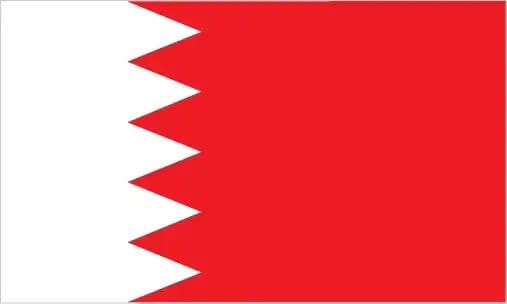
Bahrain
World Book Index
73

With a score of 73, the country is ranked 52nd out of 158 countries in the World Book ranking. (more information)
Introduction
Bahrain, a small island nation in the Persian Gulf, has a rich history that dates back to ancient times. In 1783, the Sunni Al-Khalifa family established its rule over the islands, marking the beginning of a significant era in Bahrain's history. To consolidate their power and secure their holdings, the Al-Khalifa family entered into a series of treaties with the United Kingdom throughout the 19th century, which ultimately led to Bahrain becoming a British protectorate. This relationship with Britain lasted until Bahrain achieved its independence in 1971, paving the way for its development as a sovereign state. Today, Bahrain is recognized for its strategic location, vibrant culture, and economic significance in the region.
Neighboring countries
Qatar - Saudi Arabia
Geography
Area
Total: 760 sq km
Land: 760 sq km
Water: 0 sq km
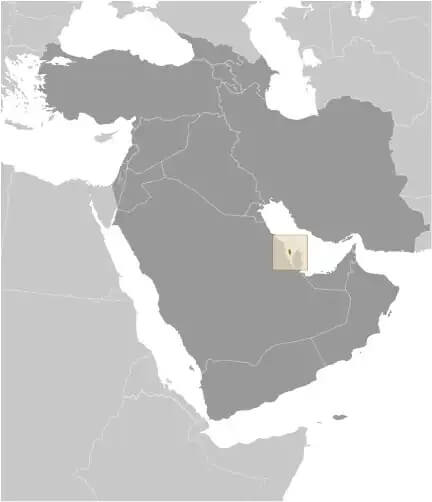
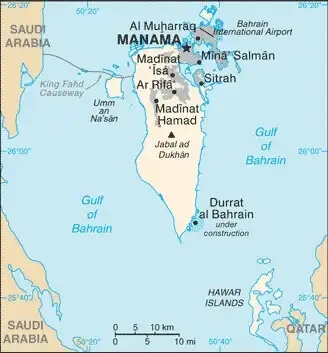
Bahrain is an archipelago consisting of 33 islands, with the largest being Bahrain Island. The country is situated in the central part of the Persian Gulf, making it a strategic maritime hub. The geography of Bahrain is characterized by its flat terrain and low elevation, with the highest point being only 134 meters above sea level. The climate is arid, featuring mild and pleasant winters, while summers are characterized by extreme heat and humidity. The nation is endowed with natural resources, primarily oil and natural gas, which have been pivotal in shaping its economy. Additionally, the surrounding waters are rich in marine life, contributing to the fishing industry and pearl diving, which have historical significance in Bahrain's cultural heritage.
People and Society
Population
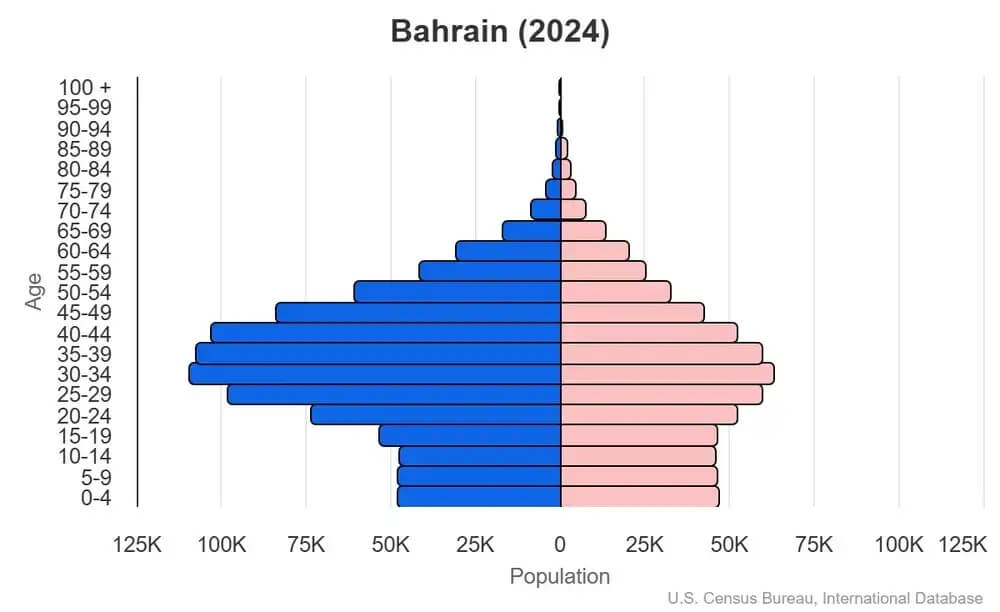
Total: 1,566,888 (2024 estimated)
Bahrain's population is a diverse tapestry of ethnicities and cultures. The demographic composition includes Bahraini nationals, who make up 47.4% of the population, alongside a significant Asian community at 43.4%. Other ethnic groups include Arabs, Africans, North Americans, and Europeans. This multicultural environment is further enriched by the presence of various languages, with Arabic being the official language, while English, Farsi, and Urdu are also widely spoken. The predominant religion is Islam, with 74.2% of the population identifying as Muslim, while the remaining 25.8% practice other faiths, including Christianity, Judaism, Hinduism, and Baha'i. The population growth rate is estimated at 0.82% for 2024, reflecting a steady increase in the number of residents. This demographic diversity plays a crucial role in shaping Bahrain's social dynamics and cultural landscape.
Government
Government type
Constitutional monarchy
Capital
Name: Manama
Bahrain operates under a constitutional monarchy, where the King serves as the head of state and the Prime Minister acts as the head of government. The current chief of state is King HAMAD bin Isa Al-Khalifa, who has been in power since March 6, 1999. The Prime Minister, Crown Prince SALMAN bin Hamad Al-Khalifa, has been in office since November 11, 2020. The government structure allows for a degree of parliamentary representation, although the monarchy retains significant authority. Bahrain maintains diplomatic relations with various countries, including the United States, represented by Ambassador Abdulla bin Rashed AL KHALIFA since July 21, 2017, and Ambassador Steven C. BONDY representing the US since February 9, 2022.
Economy
Economic overview
Bahrain boasts a high-income, growing economy characterized by its strategic position as a Middle Eastern island nation. The economy is heavily reliant on oil and aluminum exports, with ongoing efforts to diversify through sectors such as services, construction, and manufacturing. As a regional finance and tourism hub, Bahrain has developed a robust infrastructure to support these industries. However, the economy faces challenges, including high public debt linked to its dependence on oil revenues and a limited tax base. Additionally, the country is vulnerable to environmental issues, particularly concerning the depletion of water reservoirs, which poses a risk to its long-term sustainability. The government continues to implement reforms aimed at enhancing economic resilience and promoting sustainable growth.
Real GDP (purchasing power parity)
$93.937 billion (2024 estimated)
$91.185 billion (2023 estimated)
$87.781 billion (2022 estimated)
Real GDP per capita
$59,100 (2024 estimated)
$57,800 (2023 estimated)
$57,600 (2022 estimated)
Exports
$41.303 billion (2024 estimated)
$40.344 billion (2023 estimated)
$44.58 billion (2022 estimated)
Exports - partners
UAE 16%, Saudi Arabia 15%, South Africa 8%, USA 6%, India 4% (2023)
Exports - commodities
Refined petroleum, aluminum, iron ore, aluminum wire, jewelry (2023)
Imports
$33.044 billion (2024 estimated)
$32.374 billion (2023 estimated)
$33.066 billion (2022 estimated)
Imports - partners
China 13%, Saudi Arabia 12%, UAE 11%, Brazil 8%, Australia 7% (2023)
Imports - commodities
Iron ore, aluminum oxide, ships, cars, gold (2023)
Human Development Index
The country's Human Development Index (HDI) is 0.899, ranking it 38th out of 193 countries tested. (more information)
World Happiness Report
The World Happiness Report ranked the country 80th out of 158 countries tested with a score of 5.707. (more information)