World Book
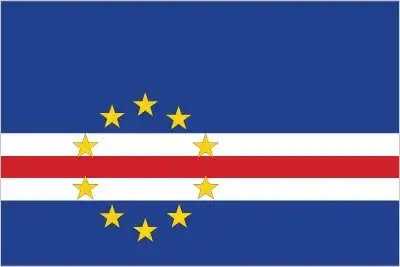
Cabo Verde
Introduction
Cabo Verde, an archipelago of volcanic origin, was discovered by the Portuguese in the 15th century. The islands, initially uninhabited, became a significant stopover for transatlantic trade routes. Following a long struggle for independence, Cabo Verde emerged as a sovereign nation in 1975. The establishment of a one-party system marked the early years of independence, but the political landscape transformed with the introduction of multi-party elections in 1990. Today, Cabo Verde is recognized for its stable democratic governance and a resilient economy, making it one of the most progressive nations in Africa.
Neighboring countries
Gambia - Guinea-Bissau - Mauritania - Senegal
Geography
Area
Total: 4,033 sq km
Land: 4,033 sq km
Water: 0 sq km
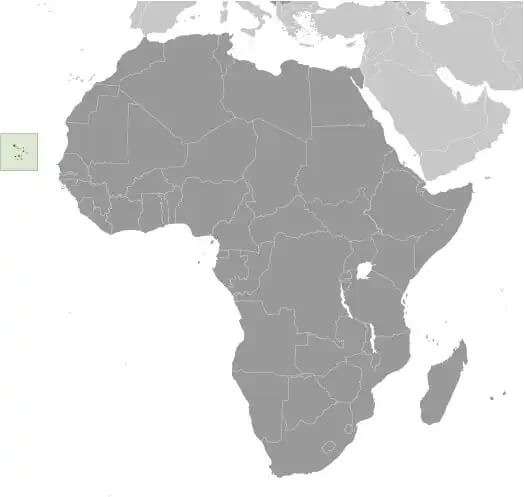
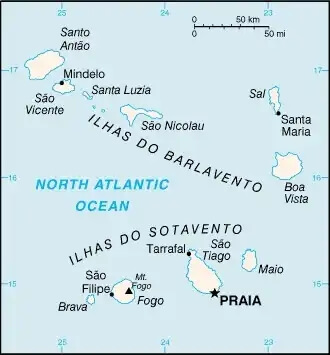
Cabo Verde is an archipelago located in the central Atlantic Ocean, approximately 570 kilometers off the coast of West Africa. The islands are characterized by a rugged terrain, with volcanic mountains and a variety of landscapes ranging from arid to lush. The climate is temperate, featuring warm, dry summers and erratic precipitation patterns, which contribute to the unique biodiversity of the islands. The natural resources of Cabo Verde include salt, basalt rock, limestone, kaolin, fish, clay, and gypsum, which play a crucial role in the local economy and development.
People and Society
Population
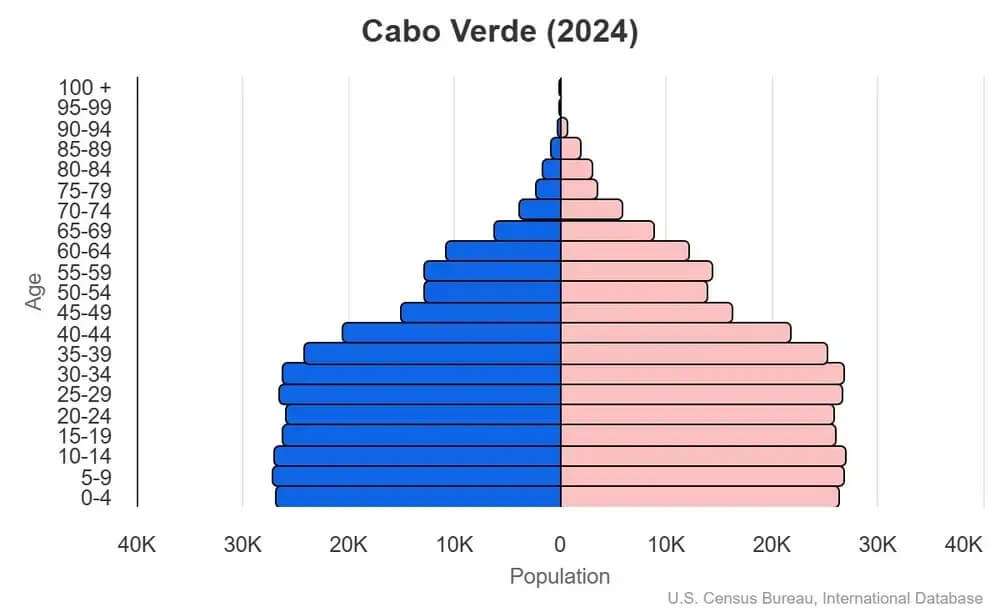
Total: 611,014 (2024 estimated)
Cabo Verde's population is a rich tapestry of ethnicities, with Creole (Mulatto) individuals making up 71% of the demographic, followed by 28% African and 1% European. This diverse ethnic composition reflects the islands' historical interactions and cultural exchanges. The official language is Portuguese, while Crioulo, a Portuguese-based creole language with two main dialects, is widely spoken among the population. The religious landscape is predominantly Roman Catholic (72.5%), with a notable presence of Protestant denominations and other faiths. The population growth rate is estimated at 1.16% for 2024, indicating a steady increase in the number of inhabitants, which poses both opportunities and challenges for the nation's development.
Government
Government type
Parliamentary republic
Capital
Name: Praia
Cabo Verde operates as a parliamentary republic, where the President serves as the head of state and the Prime Minister acts as the head of government. The current President, Jose Maria Pereira Neves, has been in office since November 9, 2021, while Prime Minister Jose Ulisses Correia e Silva has held his position since April 22, 2016. The country maintains diplomatic relations with various nations, including the United States, represented by Ambassador Jose Luis do Livramento Monteiro Alves de Brito since December 23, 2020, and the U.S. Ambassador Jennifer Adams, who has been in office since September 10, 2024.
Economy
Economic overview
Cabo Verde boasts a stable, middle-income, developing island economy that has shown resilience and adaptability. The recovery of the tourism sector has been a significant driver of strong GDP growth, contributing to the overall economic stability. The government has implemented the PEDS II development plan, which has facilitated sustained poverty reduction efforts. However, the economy remains highly reliant on foreign remittances and international aid to finance external debt, highlighting the need for continued economic diversification and development strategies.
Real GDP (purchasing power parity)
$5.2 billion (2024 estimated)
$4.848 billion (2023 estimated)
$4.6 billion (2022 estimated)
Real GDP per capita
$9,900 (2024 estimated)
$9,300 (2023 estimated)
$8,900 (2022 estimated)
Exports
$1.158 billion (2024 estimated)
$972.636 million (2023 estimated)
$851.907 million (2022 estimated)
Exports - partners
Spain 46%, Portugal 9%, Togo 7%, Italy 7%, India 6% (2023)
Exports - commodities
Fish, refined petroleum, railway cargo containers, shellfish, garments (2023)
Imports
$1.473 billion (2024 estimated)
$1.428 billion (2023 estimated)
$1.31 billion (2022 estimated)
Imports - partners
Portugal 29%, Saudi Arabia 11%, Netherlands 9%, Spain 8%, China 7% (2023)
Imports - commodities
Refined petroleum, aircraft, cars, fish, railway cargo containers (2023)
Human Development Index
The country's Human Development Index (HDI) is 0.668, ranking it 135th out of 193 countries tested. (more information)