World Book
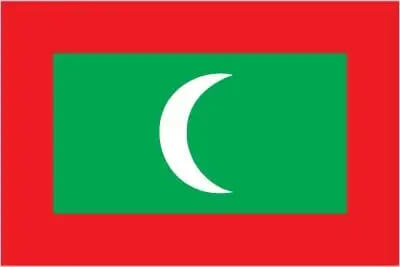
Maldives
World Book Index
64

With a score of 64, the country is ranked 88th out of 158 countries in the World Book ranking. (more information)
Introduction
The Maldives, an enchanting archipelago in the Indian Ocean, has a rich history that dates back to the 12th century when it was established as a sultanate. Over the centuries, the islands have witnessed significant transformations, including becoming a British protectorate in 1887. Following its independence in 1965, the Maldives transitioned into a republic, marking a new era in its political landscape. Today, it stands as a symbol of resilience and cultural heritage, attracting visitors from around the globe to its pristine beaches and vibrant marine life.
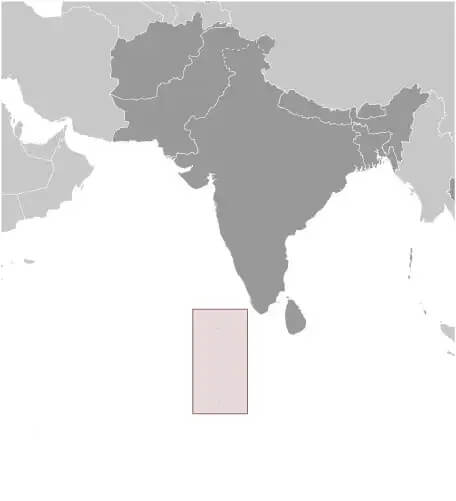
Neighboring countries
India - Sri Lanka
Geography
Area
Total: 298 sq km
Land: 298 sq km
Water: 0 sq km
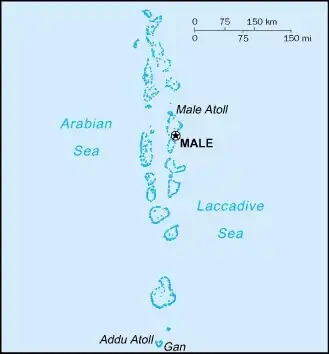
The Maldives is a tropical paradise characterized by its unique geographical formation of 26 atolls, which are composed of over 1,000 coral islands. This archipelago is situated southwest of Sri Lanka and India, making it a strategic location in the Indian Ocean. The climate is predominantly tropical, featuring hot and humid conditions, with a distinct dry northeast monsoon from November to March and a rainy southwest monsoon from June to August. The natural resources of the Maldives are limited, with fish being the primary resource, which plays a crucial role in both the economy and the sustenance of the local population.
People and Society
Population
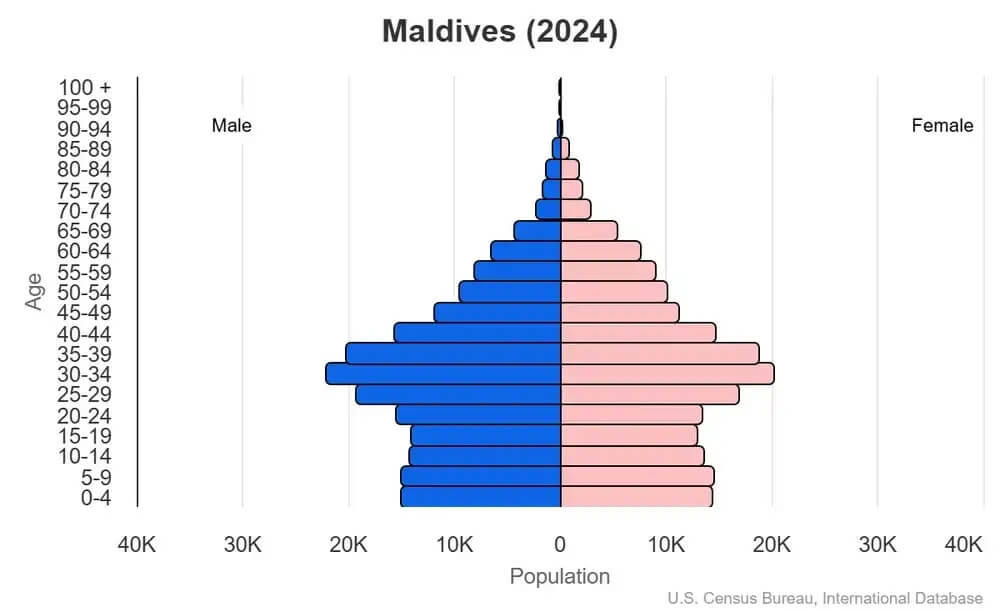
Total: 388,858 (2024 estimated)
The Maldives boasts a homogeneous population that reflects a rich tapestry of ethnic influences, including Sinhalese, Dravidian, Arab, Australasian, and African roots. This diversity is a result of historical changes in regional hegemony over vital marine trade routes. The official language, Dhivehi, is closely related to Sinhala and utilizes a script derived from Arabic, showcasing the islands' cultural connections. English is widely spoken, particularly among government officials, facilitating communication in international affairs. The predominant religion is Sunni Islam, which plays a significant role in shaping the social fabric and cultural practices of the nation. Despite a population growth rate of -0.2% (2024 estimated), the Maldives continues to face challenges related to economic disparities and social development.
Government
Government type
Presidential republic
Capital
Name: Malé
The Maldives operates as a presidential republic, where the President serves as both the chief of state and head of government. Currently, President Mohamed Muizz is in office, having assumed leadership on 17 November 2023. The country maintains diplomatic relations with various nations, including the United States, represented by Ambassador Abdul Ghafoor Mohamed since 15 June 2023. Notably, the U.S. has appointed its first resident ambassador to the Maldives, Hugo Yue-Ho Yon, since 6 September 2023, indicating a strengthening of bilateral ties.
Economy
Economic overview
The Maldives is classified as an upper middle-income Indian Ocean island economy, heavily reliant on tourism, fishing, and shipping industries. Despite its picturesque landscapes and thriving tourism sector, the nation grapples with high public debt and systemic corruption, which have been exacerbated by the impacts of the COVID-19 pandemic. The economy has faced ongoing deflation, and the poverty rate has tripled since the onset of the pandemic, highlighting significant socio-economic challenges.
Real GDP (purchasing power parity)
$12.325 billion (2024 estimated)
$11.723 billion (2023 estimated)
$11.194 billion (2022 estimated)
Real GDP per capita
$23,400 (2024 estimated)
$22,300 (2023 estimated)
$21,400 (2022 estimated)
Exports
$5.413 billion (2024 estimated)
$4.88 billion (2023 estimated)
$5.096 billion (2022 estimated)
Exports - partners
Thailand 32%, India 21%, Singapore 9%, UK 7%, Germany 5% (2023)
Exports - commodities
Fish, aircraft, refined petroleum, scrap iron, natural gas (2023)
Imports
$5.344 billion (2024 estimated)
$4.984 billion (2023 estimated)
$4.939 billion (2022 estimated)
Imports - partners
India 15%, UAE 15%, Oman 14%, China 12%, Singapore 8% (2023)
Imports - commodities
Refined petroleum, plastic products, aircraft, granite, ships (2023)
Human Development Index
The country's Human Development Index (HDI) is 0.766, ranking it 93rd out of 193 countries tested. (more information)
World Happiness Report
The World Happiness Report ranked the country 96th out of 158 countries tested with a score of 5.198. (more information)