World Book
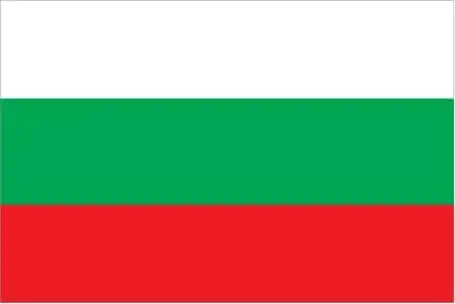
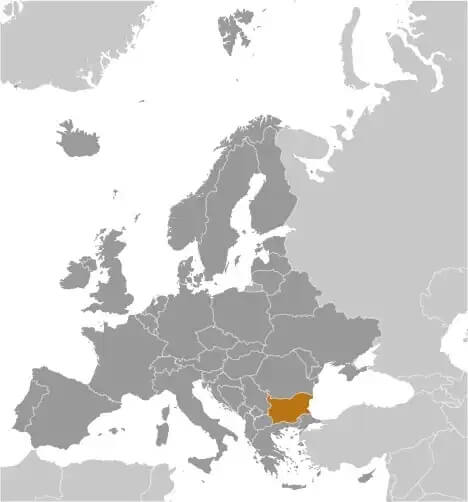
Bulgaria
World Book Index
74

With a score of 74, the country is ranked 49th out of 158 countries in the World Book ranking. (more information)
Introduction
Bulgaria, a country steeped in history and cultural heritage, achieved autonomy from the Ottoman Empire in 1878, marking a significant turning point in its national identity. The full independence of Bulgaria was declared in 1908, establishing it as a sovereign state. Throughout the 20th century, Bulgaria found itself within the Soviet sphere of influence, becoming a People's Republic in 1946. The fall of communism in 1990 paved the way for democratic reforms, leading to Bulgaria's accession to NATO in 2004 and the European Union in 2007, which have been pivotal in shaping its modern political landscape.
Neighboring countries
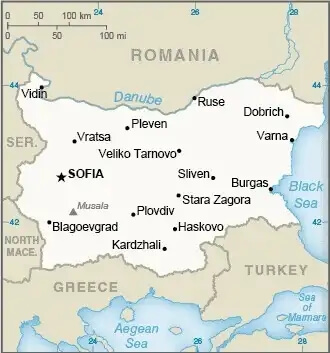
Greece - North Macedonia - Romania - Serbia - Turkey
Geography
Area
Total: 110,879 sq km
Land: 108,489 sq km
Water: 2,390 sq km
Bulgaria is located in Southeast Europe, bordered by the Black Sea to the east and characterized by a diverse landscape that includes mountains, plains, and a coastline. The climate is temperate, featuring cold, damp winters and hot, dry summers, which significantly influences the agricultural practices and lifestyle of its inhabitants. The country is endowed with various natural resources, including bauxite, copper, lead, zinc, coal, timber, and arable land, which play a crucial role in its economy and development.
People and Society
Population
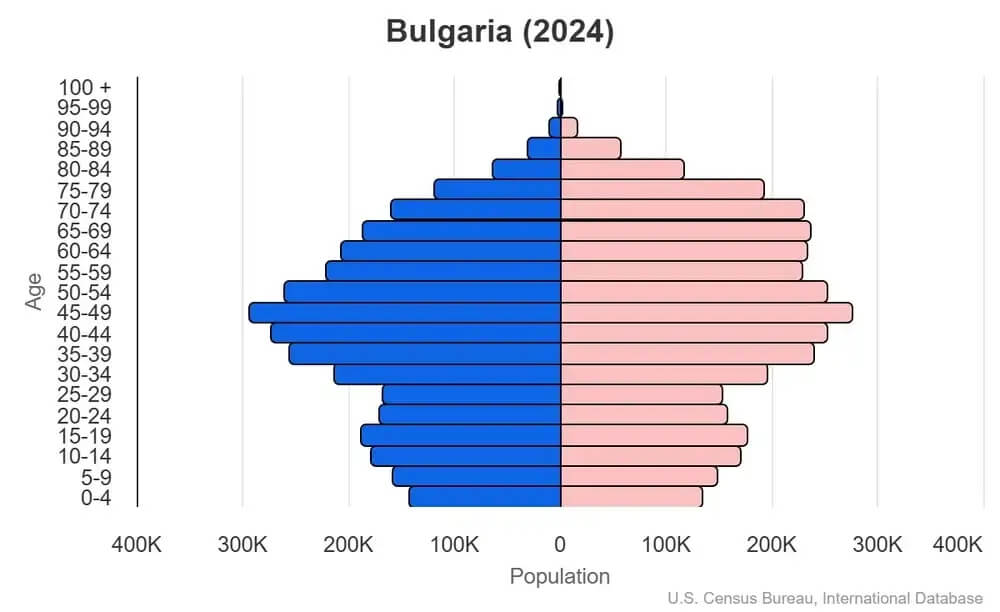
Total: 6,782,659 (2024 estimated)
Ethnic groups
Bulgarian 78.5%, Turkish 7.8%, Roma 4.1%, other 1.2%, unspecified 9.4% (2021 estimated)
Languages
Bulgarian (official) 77.3%, Turkish 7.9%, Romani 3.5%, other 1%, unspecified 10.4% (2021 estimated)
Religions
Christian 64.7%, Muslim 9.8%, other 0.1%, none 4.7%, unspecified 20.7% (2021 estimated)
Population growth rate
-0.66% (2024 estimated)
Bulgaria's demographic landscape is marked by a rich tapestry of ethnicities, with Bulgarians forming the majority at 78.5%. The Turkish and Roma communities contribute to the cultural diversity of the nation. The official language is Bulgarian, spoken by the vast majority, while Turkish and Romani are also present, reflecting the historical influences and migrations in the region. The country is predominantly Christian, with a significant Muslim minority, showcasing a blend of religious traditions. However, Bulgaria faces challenges related to a declining population, with a growth rate of -0.66%, largely attributed to emigration and an aging demographic, which poses potential socio-economic implications for the future.
Government
Government type
Parliamentary republic
Capital
Name: Sofia
Executive branch
Chief of state: President Rumen RADEV (since 22 January 2017)
Head of government: Prime Minister Rosen ZHELYAZKOV (since 16 January 2025)
Diplomatic representation in the US
Chief of mission: Ambassador (vacant); Chargé d’Affaires Stefka YOVCHEVA (since 7 May 2025)
Diplomatic representation from the US
Chief of mission: Ambassador (vacant); Chargé d'Affaires H. Martin McDOWELL (since May 2025)
Bulgaria operates as a parliamentary republic, where the government is elected by the people and is accountable to the parliament. The capital city, Sofia, serves as the political and cultural heart of the nation. The executive branch is led by the President, currently Rumen RADEV, and the Prime Minister, Rosen ZHELYAZKOV, who work together to navigate the complexities of governance in a rapidly changing political environment. The diplomatic landscape is also evolving, with key positions currently vacant, indicating potential shifts in foreign policy and international relations.
Economy
Economic overview
Bulgaria is classified as an upper-middle-income EU economy, with its currency pegged to the euro, reflecting its aspirations for eurozone accession. The country has been experiencing a decline in energy prices, which has contributed to a lower inflation rate, providing some economic relief. Additionally, EU structural funds have played a vital role in supporting investment recovery, fostering growth in various sectors. However, Bulgaria faces a skilled labor shortage, driven by emigration and an aging population, which poses challenges for sustaining economic momentum.
Real GDP (purchasing power parity)
$219.645 billion (2024 estimated)
$213.64 billion (2023 estimated)
$209.683 billion (2022 estimated)
Real GDP per capita
$34,100 (2024 estimated)
$33,100 (2023 estimated)
$32,400 (2022 estimated)
Exports
$62.661 billion (2024 estimated)
$63.415 billion (2023 estimated)
$63.246 billion (2022 estimated)
Exports - partners
Germany 14%, Romania 11%, Italy 8%, Greece 6%, Turkey 5% (2023)
Exports - commodities
Refined petroleum, garments, refined copper, wheat, natural gas (2023)
Imports
$60.029 billion (2024 estimated)
$59.158 billion (2023 estimated)
$62.261 billion (2022 estimated)
Imports - partners
Germany 12%, Turkey 8%, Romania 8%, Russia 7%, Italy 6% (2023)
Imports - commodities
Crude petroleum, copper ore, cars, packaged medicine, electricity (2023)
Human Development Index
The country's Human Development Index (HDI) is 0.845, ranking it 55th out of 193 countries tested. (more information)
World Happiness Report
The World Happiness Report ranked the country 40th out of 158 countries tested with a score of 6.358. (more information)